
About us · Greeley, Colorado
About Greeley Water Damage Restoration
One call connects you with a local water damage contractor who serves Greeley, so you can discuss the work directly.
- Have your property ZIP code ready
- Ask about assessment and availability
- Review the quote before deciding
What We Do
Greeley Water Damage Restoration is a referral service for homeowners in Greeley, Colorado. The independent contractor assesses the damage, proposes the work, and provides the quote. You decide whether to hire them.
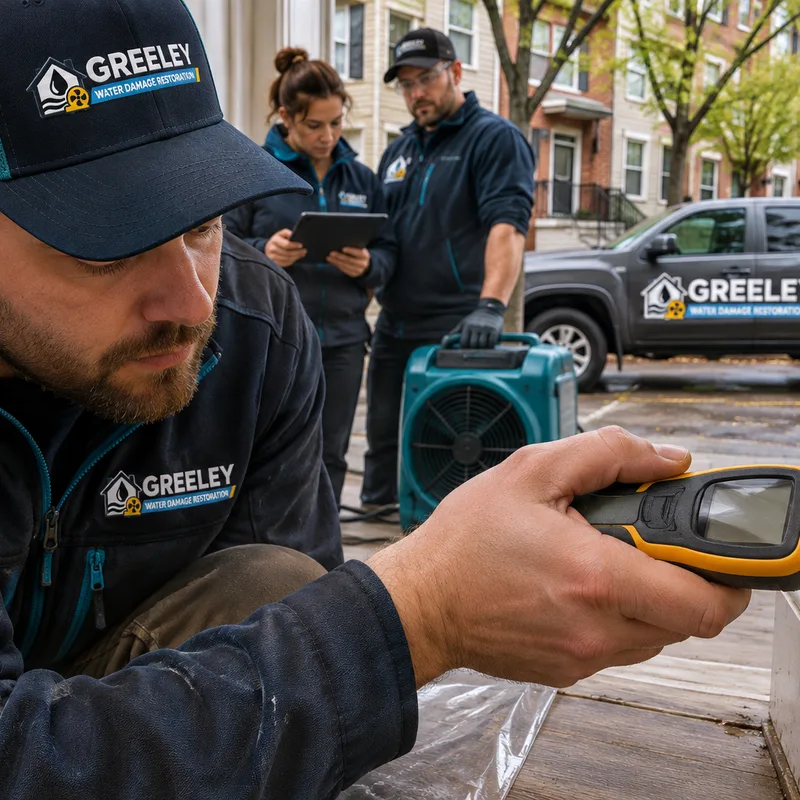
Knowing what a contractor should check makes that conversation more useful. Water on a floor may have traveled behind baseboards, into insulation, or beneath flooring. A contractor may use moisture meters to check materials and thermal imaging to identify areas that need closer examination. Thermal images show temperature differences; moisture readings help determine whether those areas are wet.
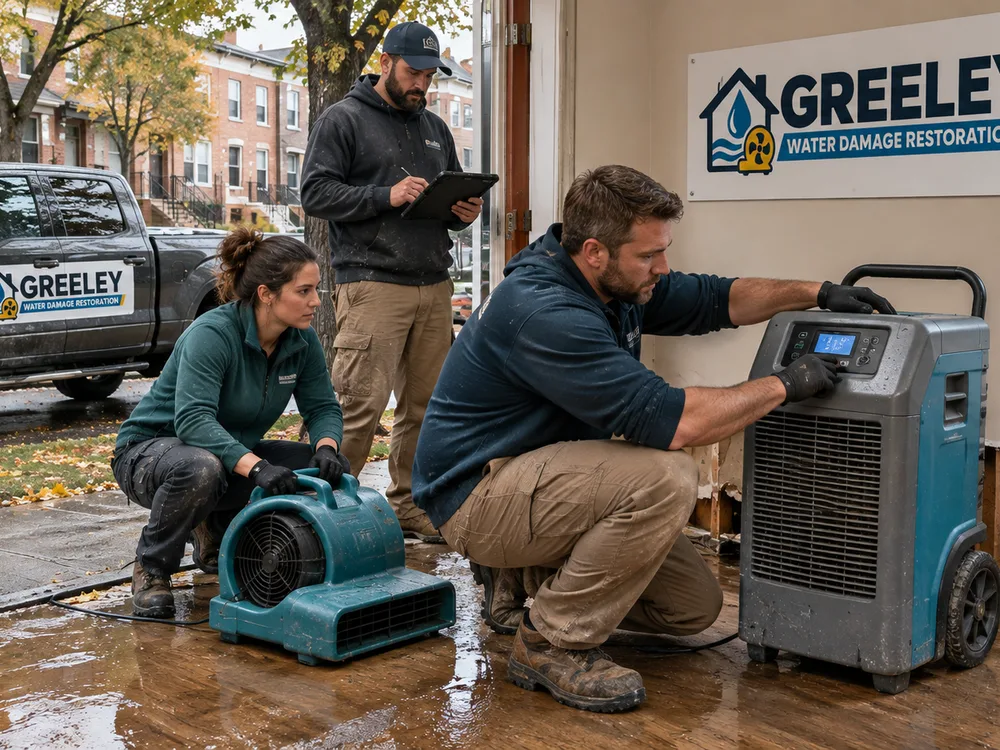
The source matters as much as the visible damage. A supply-line leak, a sewer backup, and water entering through a foundation require different cleanup decisions. The contractor should consider contamination, how long materials have been wet, and which parts of the building can be dried. Extraction removes standing water. Drying addresses moisture that remains in materials and indoor air.
In northern Colorado, freezing weather can damage plumbing, while thawing can expose leaks that were hidden. If the damage followed a cold spell, ask whether the water source has been controlled and whether a plumbing repair needs separate attention. Restoration and correction of the source are related tasks, but the proposed work should make clear who handles each one.
What to Ask Before Hiring a Contractor
Availability
Ask when the contractor can assess the property and whether there is a fee for the visit.
Scope of Work
Ask what the quote includes for water removal, drying, and any repairs.
Separate Trades
Ask who will handle plumbing, drainage, or rebuilding if that work is outside the quote.
Changes to the Quote
Ask how the contractor will explain and price additional work if they find hidden damage.
From the phone call to an agreed scope
Call and enter your ZIP code
Call the number on this site and enter the property ZIP code to connect with a contractor serving that area. Briefly describe what happened and which rooms are affected.
Discuss the assessment
Ask how the contractor evaluates the affected area and establishes the extent of moisture. You can discuss the water source, affected materials, and whether water is still entering the home. The contractor explains their availability and any assessment arrangements.
Review the proposed work
After assessing conditions, the contractor can explain whether the work involves extraction, controlled removal of damaged materials, drying equipment, or repairs. Ask which tasks are included and which require a separate trade or agreement.
Review the Quote Before Approving Work
Review the written scope and quote before proceeding. During restoration, ask how moisture readings will be documented, how changes will be approved, and what conditions must be met before drying equipment is removed.
Know what’s included before work begins
Ask for a written scope that explains what the contractor will handle and which work needs a separate quote.
What a restoration assessment may involve
Questions to ask before choosing a restoration contractor
Will the contractor handle both drying and rebuilding?
Ask the contractor to identify whether their proposed scope includes both mitigation and reconstruction. Mitigation can include water extraction, removal of unsalvageable materials, and structural drying. Reconstruction may involve drywall, trim, flooring, or other repairs after drying is complete. Some contractors handle both; others handle a defined portion. Your written agreement should identify the work included and any separate arrangements.
Can wet carpet or drywall stay in place?
Whether a material can stay depends on contamination, its condition, and whether it can be dried adequately. Carpet affected by a clean supply-line leak presents different concerns than carpet exposed to sewage. Drywall may need removal if it has lost integrity or prevents access to wet cavities. Ask the contractor to explain the reason for each removal decision before you approve it.
What should I ask if insurance may be involved?
Ask what documentation the contractor provides, then confirm claim requirements with your insurer. Useful records can include photographs, moisture readings, equipment logs, and an itemized scope of work. Your insurer determines coverage under your policy. Discuss authorization and payment responsibilities with the contractor rather than assuming that an insurance claim settles those questions.
Can I stay in the home while drying equipment runs?
Occupancy depends on the affected areas, contamination, electrical safety, and access through the home. Air movers and dehumidifiers also produce noise and heat. Ask the contractor whether work areas need containment and whether household members or pets need to avoid particular rooms. If water is near electrical equipment or outlets, keep clear and seek appropriate safety guidance before entering.
What if hidden damage changes the agreed work?
Ask the contractor to document newly discovered damage and explain any proposed change before additional work is authorized. Removing a baseboard or opening a wall can reveal moisture beyond the original visible stain. A clear change process should identify the added work, its effect on the quote, and your approval. Keep copies of the original agreement and any revisions.
How can I tell whether the drying is complete?
Ask for final moisture readings and the contractor's explanation of the drying goals. A surface can feel dry while moisture remains inside a wall or beneath flooring. Contractors assess readings in context, including the material and comparison with unaffected areas. Discuss how completion will be documented and whether any remaining repairs must wait until those drying goals are met.
Have Water Damage in Greeley?
Have the property ZIP code ready when you call. Describe what got wet and ask when an assessment is available.